TL;DR: EPA says Section 608 certification is required for activities that could reasonably be expected to violate the refrigeration circuit, and its mini-split answer says a homeowner cannot install a unit when connecting pre-charged lines is involved. DIY kit sellers say their systems need no specialized refrigerant handling. Do not promise a caller that a self-installed unit is fine or not fine until you know the kit and the work needed.
EPA’s published homeowner FAQ says a homeowner cannot install a mini-split themselves where connecting pre-charged lines is involved. The answer is written about R-410A units. It also says, “Section 608 Technician Certification is required for activities that could reasonably be expected to violate the integrity of the refrigeration circuit.”
That is the answer many homeowners find after they have already bought a kit.
EPA and the seller describe the same connection differently
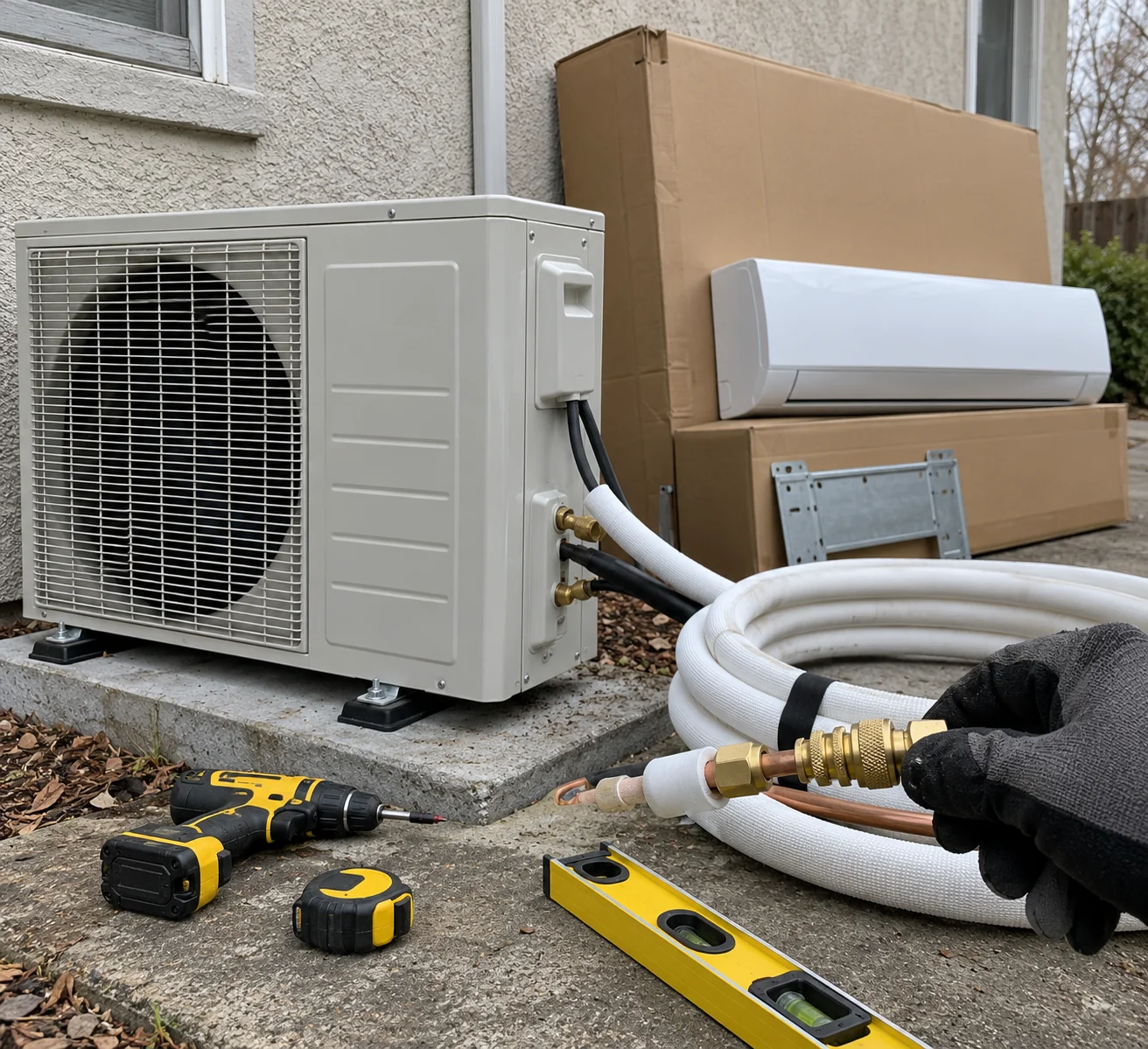
MRCOOL markets its DIY system as a different kind of installation. The company says the system uses factory-sealed, pre-charged line sets with Quick Connect fittings. It says the design provides “zero refrigerant exposure if handled with care,” and that “no expensive, specialized tools or training is necessary.”
MRCOOL’s page says its DIY system “does not require specialized refrigerant handling.” The page does not mention EPA certification, permits, or warranty terms.
The two statements do not answer each other directly. The seller says the quick-connect design takes refrigerant handling out of the homeowner’s hands. EPA’s FAQ says connecting pre-charged lines is a Section 608 covered activity.
That leaves a specific limit on the answer. EPA’s published response names R-410A. MRCOOL’s newest DIY kits are listed by distributors as using R-454B. Do not tell a caller that you know how EPA would rule on a specific kit based only on these statements. You do not.
No trade association position was found in the material reviewed here.
The phone call usually starts after the unit has already lost capacity
The typical call comes on a hot evening. A homeowner installed the system, it cooled for a few weeks, and then it stopped keeping up. The caller says, “I installed it myself, can someone just add some gas.”
That sentence tells you what the caller wants. It does not tell you what the equipment needs.
The unit may require a diagnostic. Your technician may need to service or open the circuit. The homeowner may have a problem at a connection. The shop still has to decide whether it will touch that installation and under what terms.
If your technician services or opens the circuit on a customer-installed unit, the technician is the certified party. Their own Section 608 card is on the line. That is separate from the seller’s statement that the homeowner does not need specialized refrigerant handling.
If a helper is involved, document who is allowed to perform the work under your shop’s 608 procedures. The supervision rules are covered in this guide to apprentice work under Section 608.
Check the paperwork before you agree to touch the unit
Before booking the work, check the manufacturer’s warranty terms and the local permit rules. Those terms and rules vary. Do not promise coverage, approval, or a warranty result over the phone.
Ask for the brand and model. Ask who installed the unit. Ask whether the caller is asking for a diagnostic, a repair, or only refrigerant. Then set the visit type your shop will honor.
Your shop can decline the call. It can quote a commissioning visit. It can quote replacement of the installation. Pick one policy and write it down.
The policy should also cover the line set. A caller may expect you to reuse it, but that is a separate technical decision. Your team can use this line set article when deciding how to handle that request.
Do not promise a recharge before a technician finds the reason for lost capacity. A diagnostic fee policy belongs on the phone, not at the door. See how to explain the diagnostic fee before dispatch.
The homeowner may not be able to buy refrigerant later
EPA’s homeowner FAQ says, “Refrigerant for stationary appliances is only sold to certified technicians or the companies that employ them.”
That creates a practical problem when a homeowner has a weeping joint and wants to top off the system. The worst case is not just a poor cooling complaint. The homeowner cannot buy refrigerant to handle the problem independently.
Your office should not treat “just add some gas” as a routine refill request. It should be a diagnostic call with the install history recorded. If the caller has paperwork, ask them to have it available. If the equipment is a DIY kit, flag that before the technician arrives.
You can also direct the owner to document the installation and registration details. Your staff can use the warranty registration window article without stating what the manufacturer’s warranty will cover.
Dial 72 can flag the installation before dispatch
Dial 72 answers 24/7. Its text summary to the owner lists what the caller said.
Set a rule for this call type. Have the answering line ask who installed the unit and what brand it is. Flag those answers in the text summary. Book a diagnostic instead of promising a recharge.
The line can answer in English or Spanish. That matters when the caller needs to explain whether the system was self-installed, what changed, and what the technician will find on site.
The practical stance is simple. Do not take the seller’s marketing language as a certification ruling. Do not take the EPA FAQ’s R-410A answer as a ruling on a specific R-454B kit. Identify the equipment, check the rules that apply to the job, and put your policy in writing. Then make the answering line collect those facts before it promises a service.